登录身份跳转的核心逻辑概述
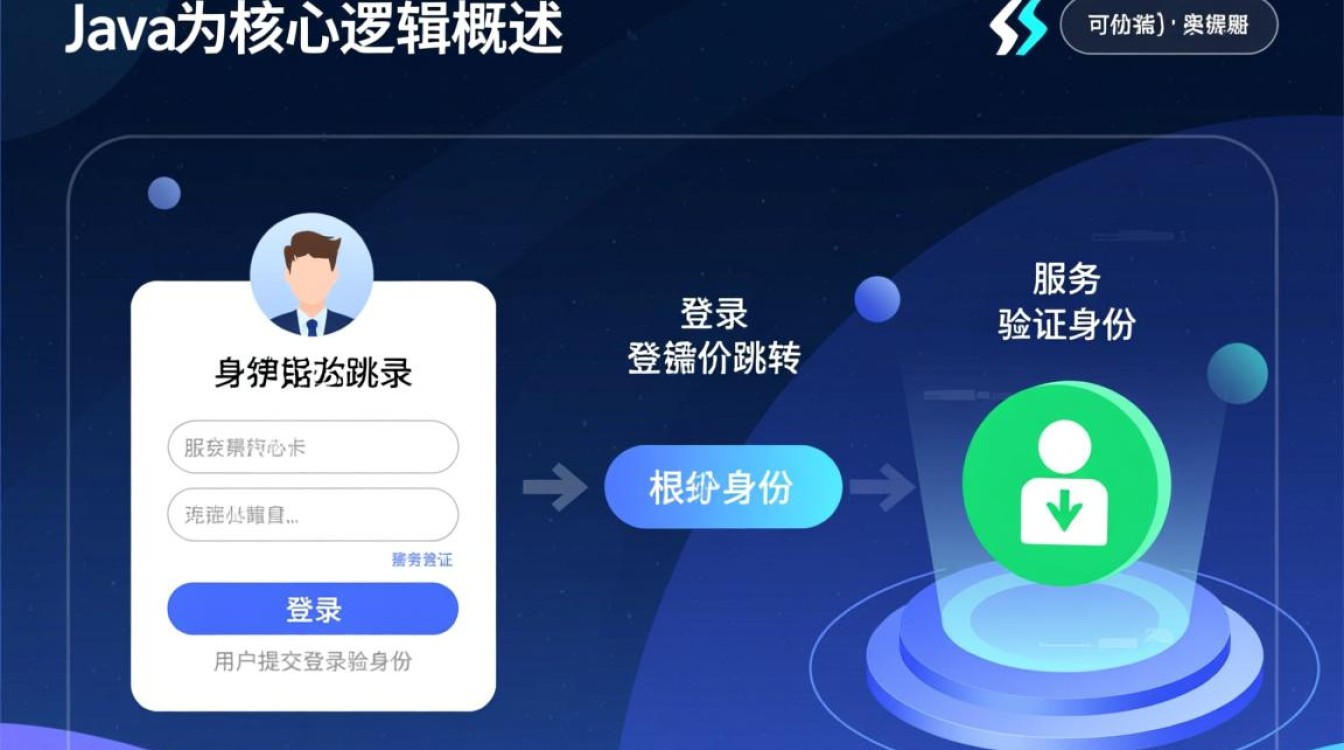
在Java应用中,实现登录身份跳转的核心流程可概括为:用户提交登录凭证→服务端验证身份→根据角色或权限信息生成跳转路径→前端响应跳转指令,这一过程需结合后端业务逻辑、权限控制及前端交互,确保不同身份的用户(如管理员、普通用户、游客等)登录后能进入对应的功能模块。
技术架构与实现步骤
用户认证流程设计
用户认证是身份跳转的前提,通常采用Session或JWT(JSON Web Token)机制管理用户状态,以Spring Security框架为例,其内置的认证流程可通过自定义UserDetailsService加载用户权限信息,结合AuthenticationManager完成凭证验证,验证通过后,会将用户身份信息(如角色、权限)封装到Authentication对象中,并存入安全上下文(SecurityContext),供后续权限校验和跳转逻辑使用。
角色与权限数据模型
为实现精准跳转,需在数据库中设计清晰的角色权限表,通过user、role、permission三张表关联,存储用户ID、角色标识(如ROLE_ADMIN、ROLE_USER)及权限范围(如dashboard:access、order:manage),在登录验证阶段,查询用户对应的角色信息,为后续跳转决策提供数据依据。
登录接口与跳转逻辑实现
登录接口是身份跳转的关键入口,以Spring Boot为例,可通过@RestController定义登录接口,接收前端提交的用户名、密码等参数,接口内部调用认证服务验证用户信息,成功后根据用户角色生成不同的跳转地址:
- 管理员角色:返回
/admin/dashboard - 普通用户角色:返回
/user/home - 游客或未激活用户:返回
/activation
前端跳转响应
前端接收到后端返回的跳转路径后,可通过路由机制(如Vue Router、React Router)实现页面跳转,若采用前后端分离架构,后端可直接返回JSON格式的跳转地址,前端解析后执行window.location.href或路由导航;若为传统SS应用,则可通过ModelAndView对象返回视图名称,由服务器端渲染跳转。
关键代码实现示例
自定义登录成功处理器
在Spring Security中,可通过AuthenticationSuccessHandler接口自定义登录成功后的跳转逻辑:

@Component
public class CustomAuthenticationSuccessHandler implements AuthenticationSuccessHandler {
    @Override
    public void onAuthenticationSuccess(HttpServletRequest request, HttpServletResponse response,
            Authentication authentication) throws IOException, ServletException {
        Collection<? extends GrantedAuthority> authorities = authentication.getAuthorities();
        String redirectUrl = "/"; // 默认跳转地址
        if (authorities.contains(new SimpleGrantedAuthority("ROLE_ADMIN"))) {
            redirectUrl = "/admin/dashboard";
        } else if (authorities.contains(new SimpleGrantedAuthority("ROLE_USER"))) {
            redirectUrl = "/user/home";
        }
        response.sendRedirect(redirectUrl);
    }
}
并在Spring Security配置中注入该处理器:
@Configuration
@EnableWebSecurity
public class SecurityConfig extends WebSecurityConfigurerAdapter {
    @Autowired
    private CustomAuthenticationSuccessHandler successHandler;
    @Override
    protected void configure(HttpSecurity http) throws Exception {
        http.formLogin()
             .successHandler(successHandler)
             .and()
             // 其他安全配置
             ;
    }
}
基于JWT的动态跳转(前后端分离场景)
若采用JWT认证,登录成功后可在接口中生成Token并返回用户角色,由前端根据角色动态跳转:
@RestController
@RequestMapping("/api/auth")
public class AuthController {
    @PostMapping("/login")
    public ResponseEntity<?> login(@RequestBody LoginRequest request) {
        // 验证用户逻辑...
        String token = jwtUtil.generateToken(username, roles);
        Map<String, Object> response = new HashMap<>();
        response.put("token", token);
        response.put("roles", roles);
        response.put("redirectUrl", determineRedirectUrl(roles));
        return ResponseEntity.ok(response);
    }
    private String determineRedirectUrl(List<String> roles) {
        if (roles.contains("ROLE_ADMIN")) return "/admin/dashboard";
        if (roles.contains("ROLE_USER")) return "/user/home";
        return "/";
    }
}
前端接收到响应后,解析redirectUrl并执行跳转:
axios.post('/api/auth/login', credentials).then(response => {
    const { redirectUrl } = response.data;
    window.location.href = redirectUrl;
});
安全性与异常处理
防止未授权访问
在跳转逻辑中,需确保用户无法通过篡改请求参数访问未授权页面,在后端接口中再次校验用户角色,避免仅依赖前端跳转地址:
@GetMapping("/admin/dashboard")
public String adminDashboard(Authentication authentication) {
    if (!authentication.getAuthorities().contains(new SimpleGrantedAuthority("ROLE_ADMIN"))) {
        throw new AccessDeniedException("Access Denied");
    }
    return "admin-dashboard";
}
异常场景处理
- 登录失败:需返回明确的错误提示(如用户名错误、密码错误),避免暴露敏感信息。
- 角色未匹配:若用户角色无对应跳转路径,可引导至默认页面或提示联系管理员。
- 会话失效:结合Spring Security的
LogoutHandler或JWT的过期机制,处理用户退出后的跳转逻辑。
优化与扩展
动态权限配置
对于复杂业务场景,可将跳转路径存储在数据库或配置文件中,通过动态加载实现灵活配置,在role_redirect表中定义角色与跳转地址的映射关系,登录时查询该表生成跳转路径。

前端路由守卫
在前端框架中(如Vue),可使用路由守卫(beforeEach)在跳转前校验用户角色,避免直接通过URL访问未授权页面:
router.beforeEach((to, from, next) => {
    const userRoles = store.getters.userRoles;
    if (to.meta.roles && !to.meta.roles.some(role => userRoles.includes(role))) {
        next('/403'); // 无权限跳转
    } else {
        next();
    }
});
日志与监控
记录用户登录及跳转日志,便于排查异常行为,可通过Spring AOP或日志框架(如Logback)捕获关键操作,如:
@Around("execution(* com.example.controller.AuthController.login(..))")
public void logLogin(ProceedingJoinPoint joinPoint) throws Throwable {
    // 记录登录请求参数、结果及跳转路径
    joinPoint.proceed();
}
Java实现登录身份跳转需综合考虑认证机制、权限模型、前后端交互及安全性,通过Spring Security等框架简化认证流程,结合数据库存储角色权限信息,并辅以前端路由校验,可构建安全、灵活的身份跳转系统,实际开发中,需根据业务复杂度选择合适的技术方案,并注重异常处理与用户体验优化。