Java中判断文件是否为空的方法及注意事项

在Java编程中,经常需要判断文件是否为空,以确定是否进行文件读取、写入等操作,本文将介绍几种常用的方法来判断Java中的文件是否为空,并探讨一些在使用过程中需要注意的事项。
文件为空的情况
- 文件不存在
- 文件存在,但文件大小为0
- 文件存在,但文件内容为空
判断文件是否为空的方法
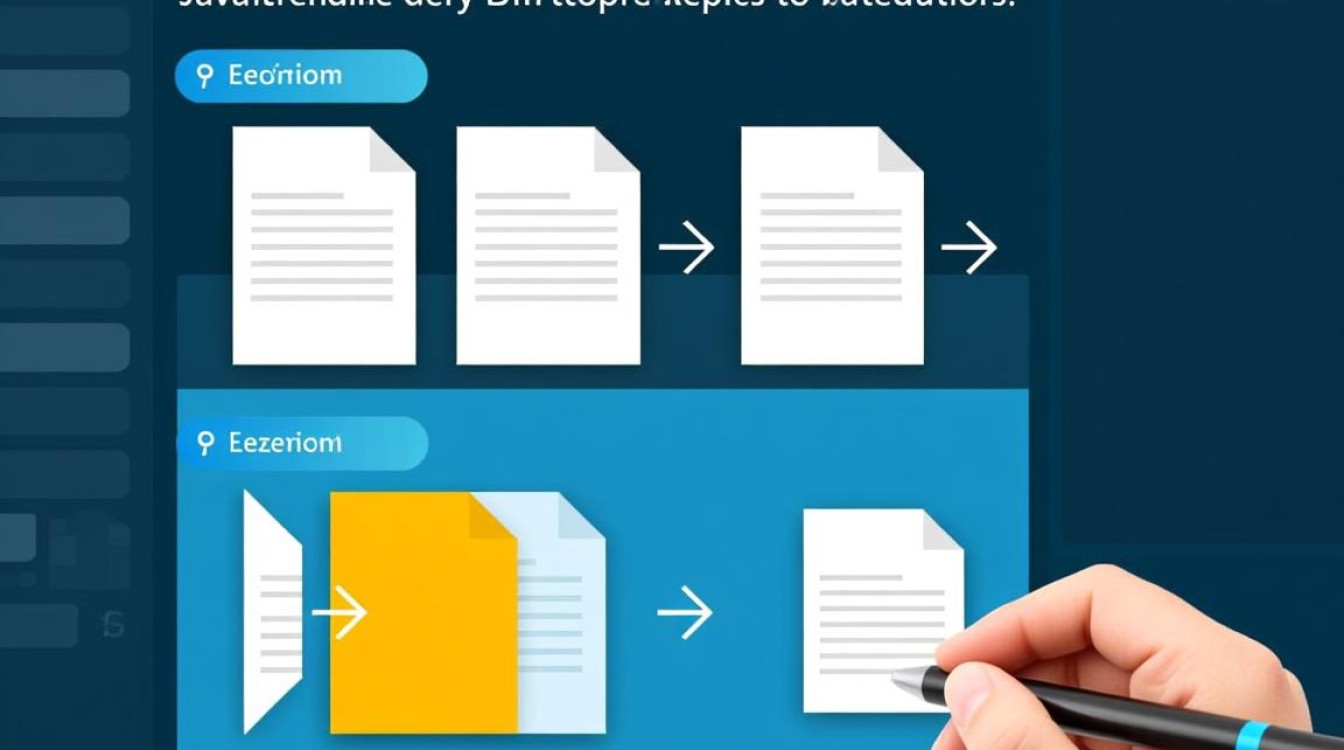
使用File类的isFile()和length()方法
import java.io.File;
public class FileEmptyCheck {
    public static void main(String[] args) {
        File file = new File("path/to/your/file.txt");
        if (file.isFile() && file.length() == 0) {
            System.out.println("文件为空");
        } else {
            System.out.println("文件不为空");
        }
    }
}
使用BufferedReader读取文件
import java.io.BufferedReader;
import java.io.FileReader;
import java.io.IOException;
public class FileEmptyCheck {
    public static void main(String[] args) {
        File file = new File("path/to/your/file.txt");
        try (BufferedReader reader = new BufferedReader(new FileReader(file))) {
            if (reader.readLine() == null) {
                System.out.println("文件为空");
            } else {
                System.out.println("文件不为空");
            }
        } catch (IOException e) {
            e.printStackTrace();
        }
    }
}
使用RandomAccessFile读取文件

import java.io.IOException;
import java.io.RandomAccessFile;
public class FileEmptyCheck {
    public static void main(String[] args) {
        File file = new File("path/to/your/file.txt");
        try (RandomAccessFile raf = new RandomAccessFile(file, "r")) {
            if (raf.length() == 0) {
                System.out.println("文件为空");
            } else {
                System.out.println("文件不为空");
            }
        } catch (IOException e) {
            e.printStackTrace();
        }
    }
}
注意事项
- 确保文件路径正确,避免因路径错误导致文件不存在。
- 在使用BufferedReader和RandomAccessFile读取文件时,注意处理异常情况。
- 当文件为空时,某些方法可能会抛出异常,如RandomAccessFile的length()方法在文件不存在时会抛出FileNotFoundException。
- 在判断文件是否为空时,要考虑文件可能正在被其他程序修改的情况,以免导致误判。
通过以上方法,你可以轻松地在Java中判断文件是否为空,在实际应用中,根据具体需求选择合适的方法,并注意相关注意事项。