Understanding Virtual Machines: A Comprehensive Guide
What is a Virtual Machine?
A virtual machine (VM) is an emulation of a computer system that enables a guest operating system to run on a host system. It allows users to run multiple operating systems on a single physical machine, each with its own resources and configurations. The concept of virtualization has revolutionized the IT industry by providing flexibility, scalability, and efficiency in managing resources.
How Does a Virtual Machine Work?
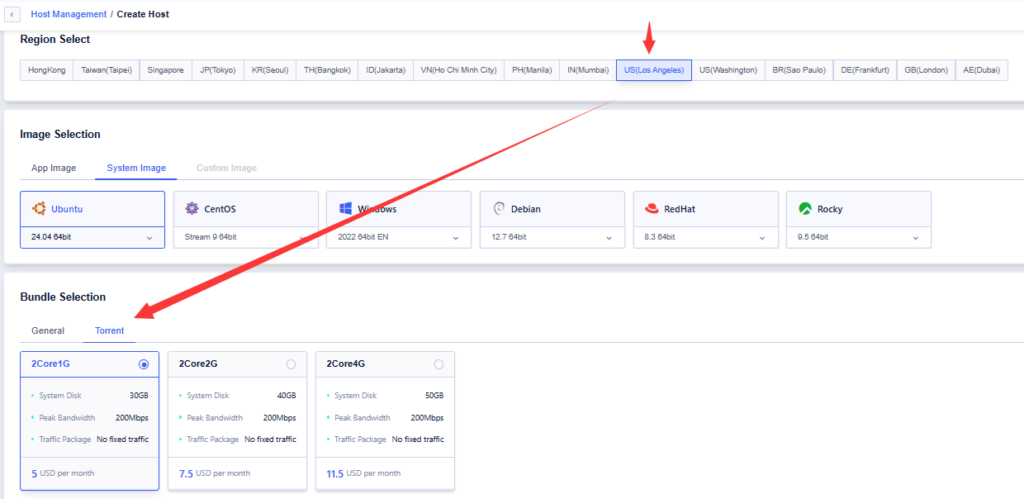
A virtual machine operates by creating an isolated environment that mimics the hardware of a physical computer. This environment includes a virtual CPU, memory, storage, and network interfaces. The host operating system manages these resources and provides them to the guest operating systems.
Components of a Virtual Machine
-
Hardware Abstraction Layer (HAL): The HAL abstracts the physical hardware of the host system, allowing the guest operating system to interact with it without knowing the specifics of the underlying hardware.
-
Virtualization Layer: This layer sits between the hardware and the guest operating system, providing the necessary resources and managing the virtualization process.
-
Guest Operating System: The guest OS runs on top of the virtualization layer and interacts with the virtual hardware as if it were running on a physical machine.
-
Virtualization Software: The software that enables the creation and management of virtual machines. Examples include VMware, VirtualBox, and Hyper-V.
Types of Virtual Machines
-
Full Virtualization: In this type, the guest operating system runs in a complete isolation from the host system. It requires a hypervisor, which is a type of software that creates and manages the virtual machines.
-
Para-Virtualization: This approach involves a lightweight virtualization layer that communicates with the guest operating system through para-virtual device drivers. It provides better performance than full virtualization but requires modifications to the guest OS.
-
Bare Metal Virtualization: Also known as Type 1 virtualization, this method runs directly on the host hardware without the need for a host operating system. It offers high performance and security but requires advanced technical knowledge.
-
Hosted Virtualization: Also known as Type 2 virtualization, this method runs on top of a host operating system. It is easier to set up but may have performance limitations compared to bare metal virtualization.
Benefits of Virtual Machines
-
Resource Optimization: Virtual machines allow for efficient use of hardware resources, reducing the need for physical servers and their associated costs.
-
Flexibility: Users can easily create, modify, and delete virtual machines, providing the flexibility to adapt to changing business needs.
-
Isolation: Each virtual machine operates independently, providing a secure and isolated environment for applications and data.
-
Scalability: Virtual machines can be scaled up or down quickly, allowing for easy expansion of resources as required.
-
Disaster Recovery: Virtual machines can be easily backed up and restored, simplifying the disaster recovery process.
Challenges of Virtual Machines
-
Performance Overhead: Virtual machines may experience some performance overhead due to the abstraction layer and the need to share resources with other VMs.
-
Complexity: Managing a large number of virtual machines can be complex and requires specialized knowledge.
-
Security: Although virtual machines provide isolation, they can still be vulnerable to security threats if not properly managed.
-
Resource Contention: When multiple VMs are running on the same physical machine, resource contention can occur, leading to performance issues.
Conclusion
Virtual machines have become an essential tool in the IT industry, providing numerous benefits in terms of resource optimization, flexibility, and scalability. Understanding the various types of virtual machines and their components is crucial for effectively managing virtual environments. As technology continues to evolve, virtual machines will undoubtedly play a significant role in shaping the future of IT infrastructure.